Research is creativity
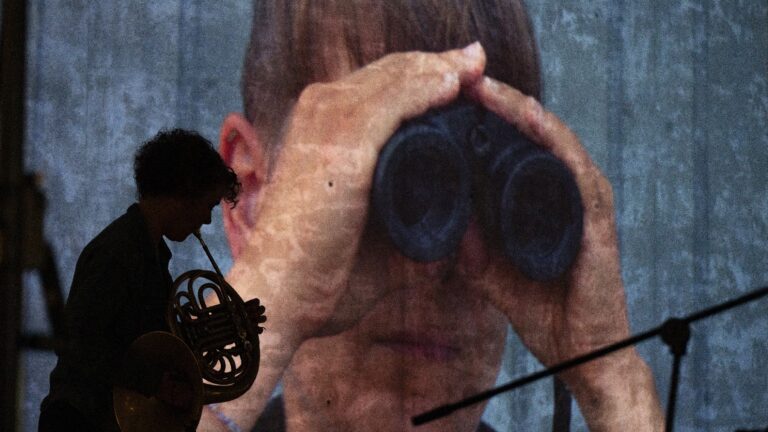
Spending time at the intersection of arts, humanities and sciences in Aboagora made me reflect on research in the humanities from the perspective of creativity. It is not exclusive to the arts, but forms one of the most important tools in scientific inquiry.
The research process often begins by thinking about what needs to be studied. We can, for example, observe a phenomenon in history or modern society. Familiarising ourselves with existing literature helps us to identify these research gaps. Reading not only allows us to absorb information but also to interpret it and position ourselves in relation to thoughts and claims introduced by others.
We do not always have to create something entirely new. We can also consider if existing knowledge could be approached from a new angle to understand a phenomenon more comprehensively. Combining different research fields and methods that complement each other helps us to seek effective and innovative ways to solve problems. However, the chosen methods may not always be suitable for our research materials or questions, which forces us to adopt new ways of doing things.
Immersed in analysing the materials, we may look for patterns or examine whether there is something exceptional hidden within the ordinary. We analyse the deeper meanings of the results, often situating them in a wider societal context.
Sharing research findings can be associated with the art of storytelling. Different textual genres can be written in an engaging way, using language to create a story that interests the reader. Regardless of the genre – be it research article, newspaper article, or a blog post – we must also consider how to make our research understandable to a specific audience.
Beyond writing, we also interact directly with others. We constantly adapt our way of communicating to best connect with those around us. Our approach depends on the situation; we communicate differently at a conference, in an interview, with students and in encounters with the public.
All this demands creativity. Without it, research would be impossible. Events like Aboagora serve as an important reminder for researchers to embrace creativity and give it space in each step of the research process.
Author
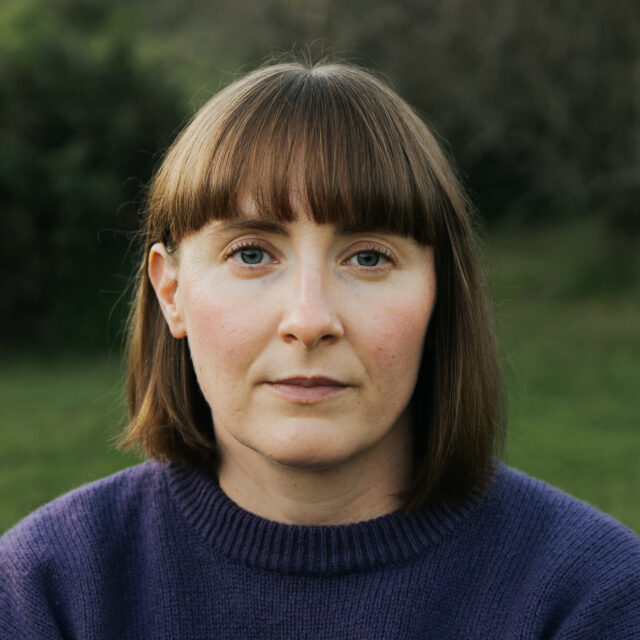
Jenna Saarni is a doctoral researcher in digital language studies at the University of Turku. She examines communication and evaluative language in digital media during the Covid-19 pandemic, focusing on the attitudes and emotions expressed in online news and social media.
Photo: Iida Hay Media